What to check before choosing a private Montserrat outing from Barcelona
Montserrat makes a strong day trip because it feels close to Barcelona yet changes the pace completely. The mountain, the monastery, the views and the quiet corners around the sanctuary all need a little planning. A private outing can make that planning easier, but only if the details suit the way you want to travel. Before committing, look beyond the headline and check what the day actually involves.
Start with the route and the time away
The first point is the shape of the day. Some visits focus on the monastery and the Black Madonna, with time for the basilica and the mountain setting. Others add a short walk, a tasting nearby, or a longer stay around the sanctuary. These options can sound similar on paper, yet they create very different days.
Check the meeting point, the return point and the approximate duration. A morning trip may leave the afternoon open in Barcelona, while a full day gives more room for a slower visit. Think about what matters most: a calm visit to the monastery, time in the open air, or a broader look at the region. Once that is clear, the right format is much easier to spot.
It also helps to ask how much time is spent travelling and how much is spent at the mountain. A private tour to montserrat from barcelona should not be judged only by the places listed. The balance between the journey and the visit decides whether the day feels relaxed or rushed.
Check what is included and what is left open
Inclusions are where confusion often starts. A visit to Montserrat can involve several separate parts, and not every visit includes all of them. Read the description closely and compare it with what you expect to see.

- Whether the monastery, the basilica and the Black Madonna are part of the visit, or whether you simply have free time there.
- Whether a guided explanation is provided at the site, since independent time and a guided visit feel quite different.
- Whether any mountain railway, cable car or funicular is included, and what happens if it is not operating.
- Whether entrance to the Montserrat museum is included or treated as an optional extra.
- Whether meals, drinks or tastings are part of the day, especially if the itinerary mentions the Catalonian wine region.
None of these points is better or worse by default. The aim is to avoid arriving with assumptions. If the day is built around free time, you should be comfortable exploring at your own pace. If it is guided throughout, you should be happy with a more structured schedule.
Look at how the mountain access is handled
Montserrat is not a flat city stop. Reaching the higher parts of the mountain can involve the Montserrat Rack Railway, cable cars, funiculars or walking routes, depending on the plan. Weather, maintenance and crowd levels can affect access, so it is worth checking how alternatives are handled.
If a specific viewpoint or chapel matters to you, confirm that the route is realistic on the day. Santa Cova chapel, for example, may suit travellers who want a short descent and a quieter setting. Sant Jeroni peak is a different commitment altogether and needs more time, suitable footwear and clear conditions. A visit that mentions both without explaining timing deserves a closer look.
Also check the pace of any walking. Mountain paths can be uneven, and a short distance on paper may still feel demanding in heat or wind. If anyone in the group prefers an easier day, ask for a route with clear options to stay at the sanctuary while others explore.
Read the timing around the sanctuary
The monastery is a living place as well as a landmark, so the rhythm of the day can affect what is possible. Services, visiting areas and public spaces may follow their own patterns. A plan that works at one time of day may feel tight at another.
The Boy choir is a good example of a detail worth checking carefully. Its presence can add a memorable layer to a visit, but it should not be assumed as part of every outing. If hearing it is important, confirm whether the schedule aligns with the visit and whether seating is included. Treat it as a bonus unless the plan clearly states otherwise.
The same applies to the Black Madonna. Some travellers want a few quiet moments, while others are mainly interested in the setting and architecture. Knowing your own priority helps you judge whether the schedule allows enough time rather than just a quick pause.
Check the group size and level of privacy
Private does not always mean the same thing. Some plans are designed for just your group, while others may still involve shared transport or fixed entry arrangements. Ask what the word means in practical terms: who will be with you, whether the vehicle is reserved for your group, and whether the guiding is exclusive.
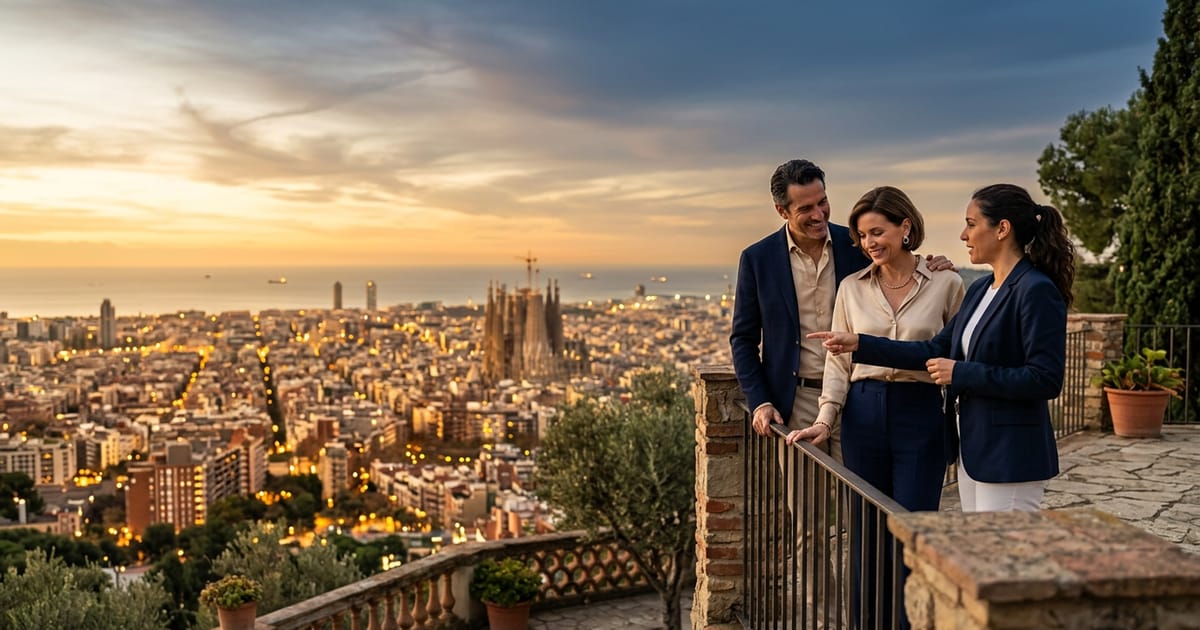
This matters more for Montserrat than for many city visits. The journey gives you time to settle in, ask questions and build anticipation. If the day is shared in ways that were not clear at booking, the experience can feel less personal than expected.
Think about the mix of travellers too. Families with children, older travellers and people who want a quiet visit may all need different pacing. A well-matched plan leaves space for questions and pauses instead of pushing everyone through the same sequence.
Look closely at transport details
The trip from Barcelona to Montserrat is part of the experience, not just a transfer. Check whether the journey is by car, minivan or another format, and whether the pickup location suits your base in the city. A central meeting point is convenient for some visitors, while a hotel pickup may matter more after a long morning.
Ask about comfort, luggage rules and waiting arrangements. If the day continues to another part of Catalonia, confirm where bags go and whether the vehicle stays available. These details are easy to overlook until they affect the day.
For many travellers, a private tour to montserrat from Barcelona works best when the transport plan is simple and clearly explained. You should know where the day begins, how long the main transfer takes in general terms, and what happens if traffic or mountain access changes the order of stops.
Understand the cancellation and change rules
Mountain plans are more weather-sensitive than many city itineraries. Strong wind, heavy rain or access changes can alter what is comfortable or possible. Before booking, read the terms for cancellations, changes and disrupted visits.
Pay attention to the cut-off times and what happens if a railway or path is unavailable. A fair plan should explain whether another stop is offered, whether time is spent elsewhere on the mountain, or whether the visit is adjusted in another way. Clear terms reduce frustration because everyone knows what to expect before the day begins.
Also check what information is sent before the visit. Useful details include the meeting point, what to bring, what to wear and how to recognise the driver or guide. These small points prevent avoidable delays on the morning itself.
Match the visit to your own interests
The best choice depends on what you want from Montserrat. A first visit may centre on the monastery, the basilica and the mountain views. A second visit might focus on Santa Cova chapel, the Montserrat museum or a longer walk. Some travellers prefer history and art, while others care most about scenery and time outdoors.
Be honest about pace and stamina. A packed itinerary can look impressive, yet it may leave little room to absorb the place. A shorter plan with space to linger often feels better, especially when the setting is the main reason for going.
Before you book, picture the day from start to finish: the pickup, the climb, the first view, the time at the sanctuary, any walk or added stop, and the return. If that picture feels calm and coherent, the plan is likely to suit you. If it depends on too many things going perfectly, choose a simpler version and leave room for the mountain to make its own impression.